Off the Wall
The Art of Three Dimensions.
Insights at the Intersection of ART x DESIGN Column / Edition 1 (in collaboration with Kelly-McKenna Gallery)
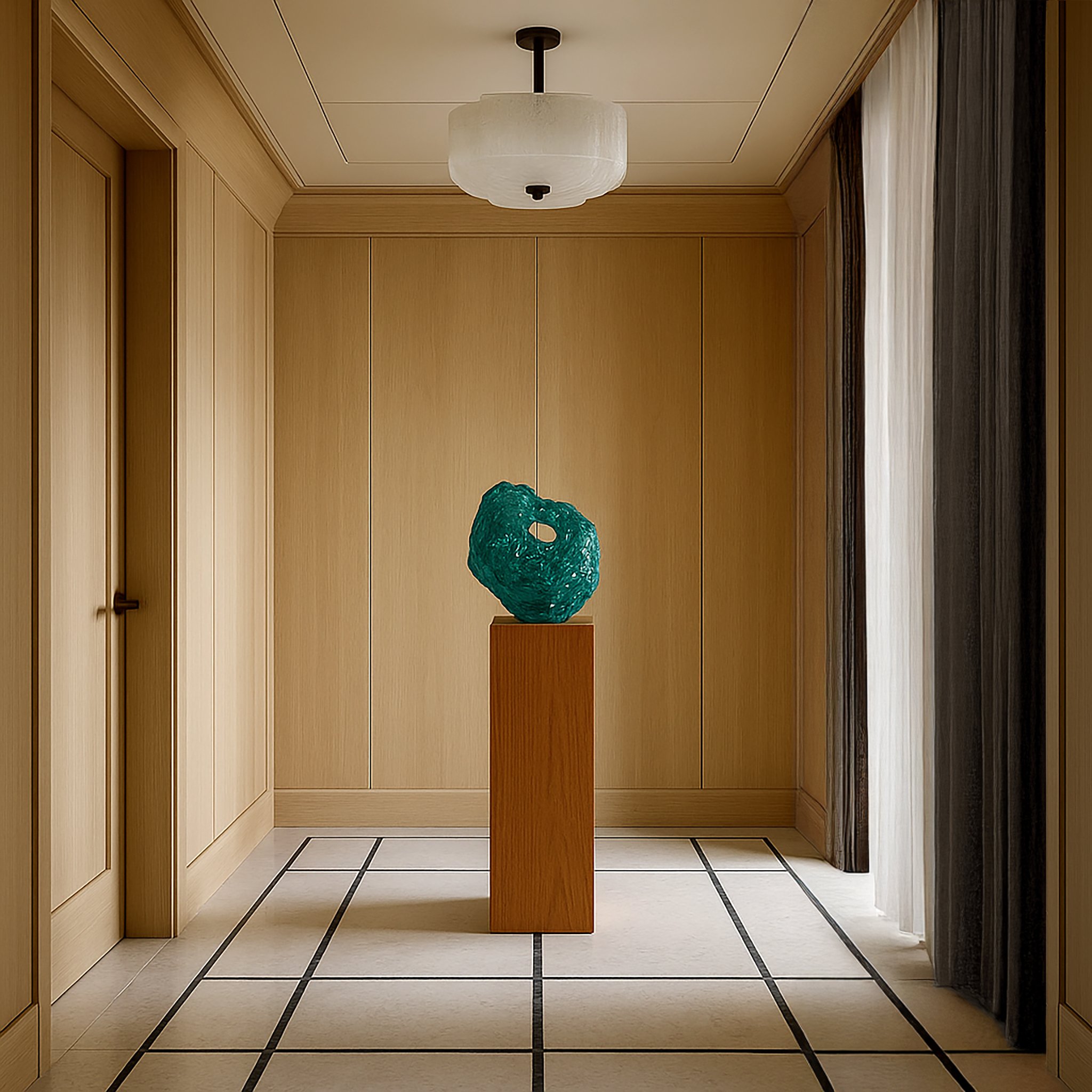
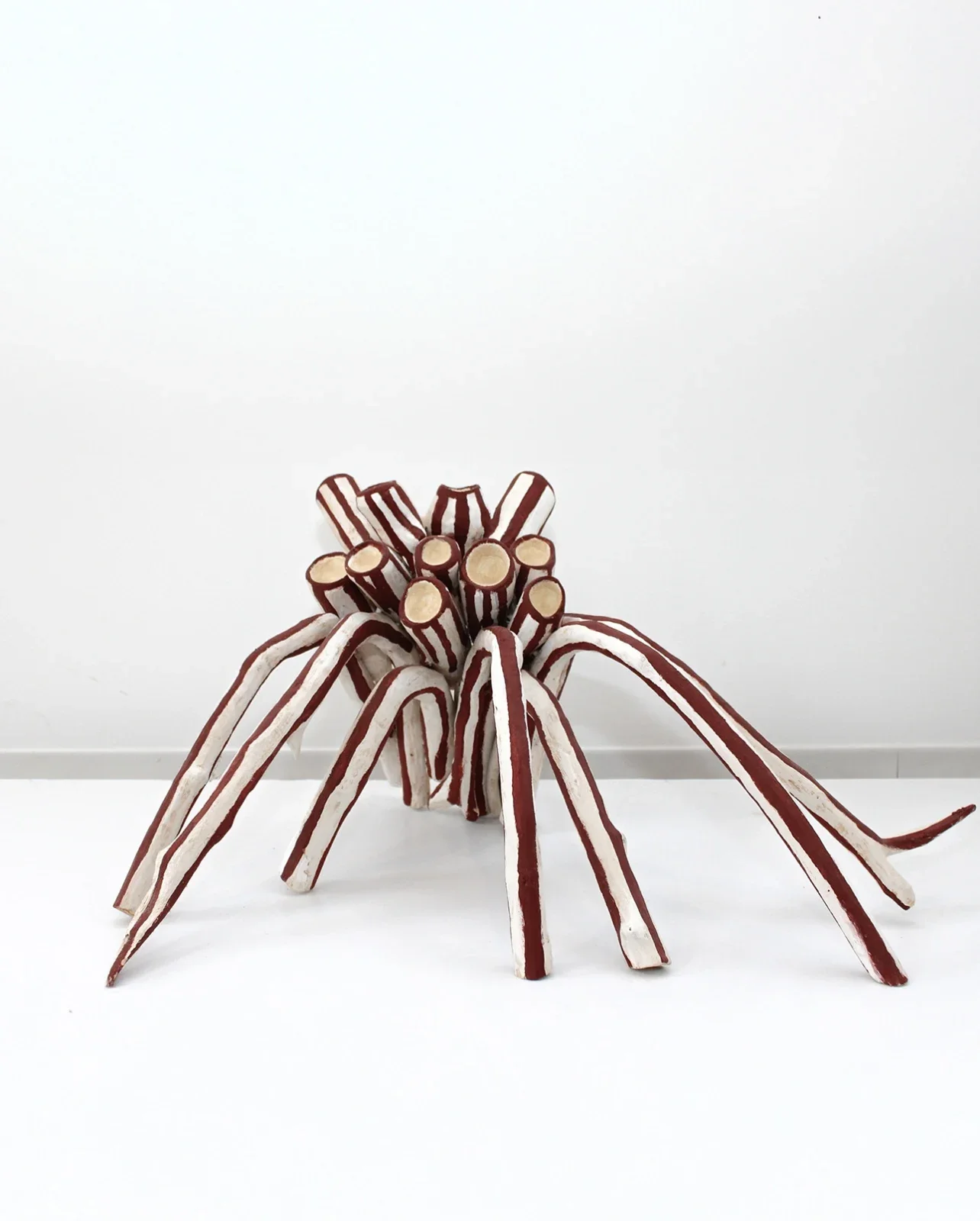
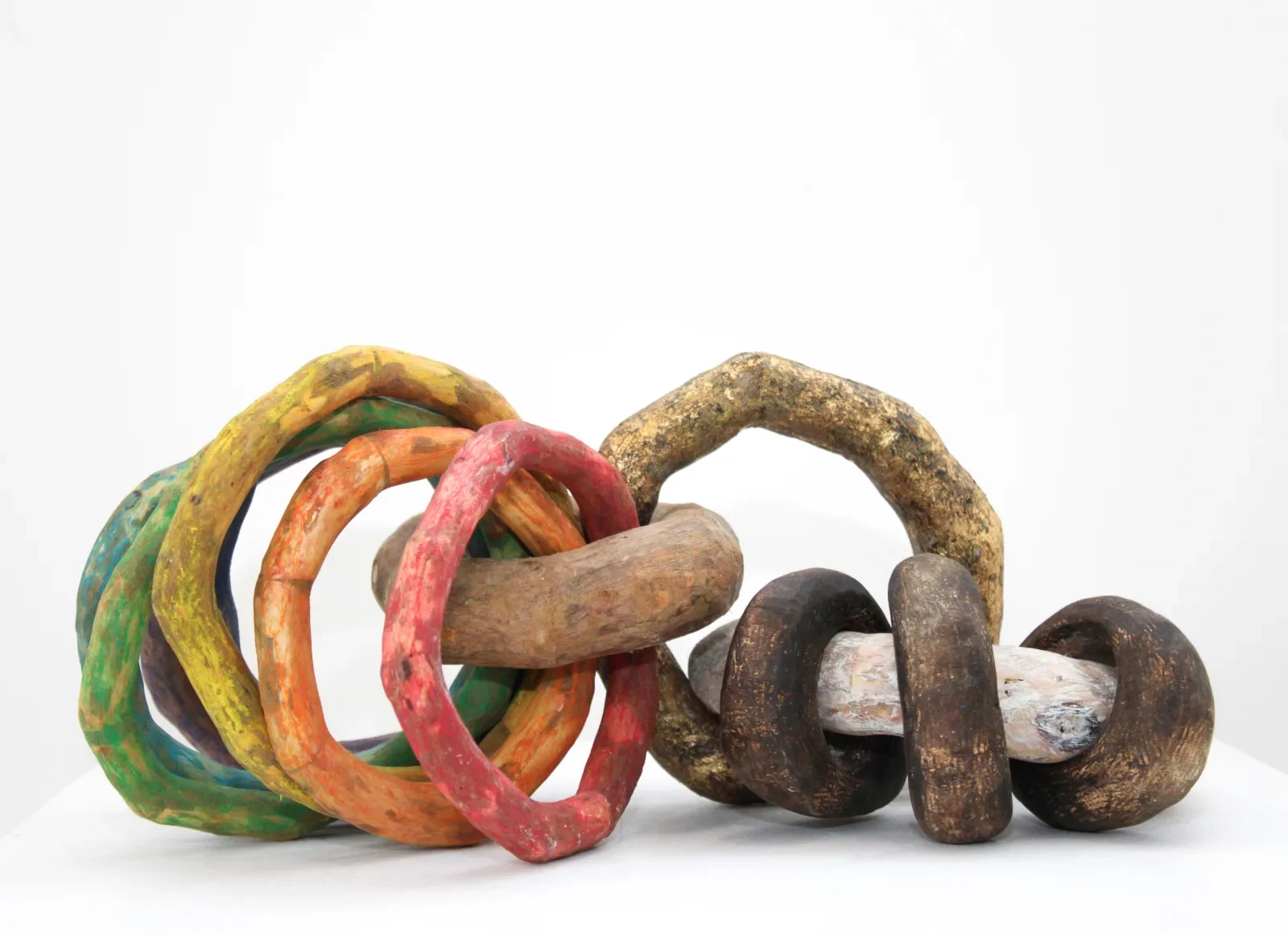
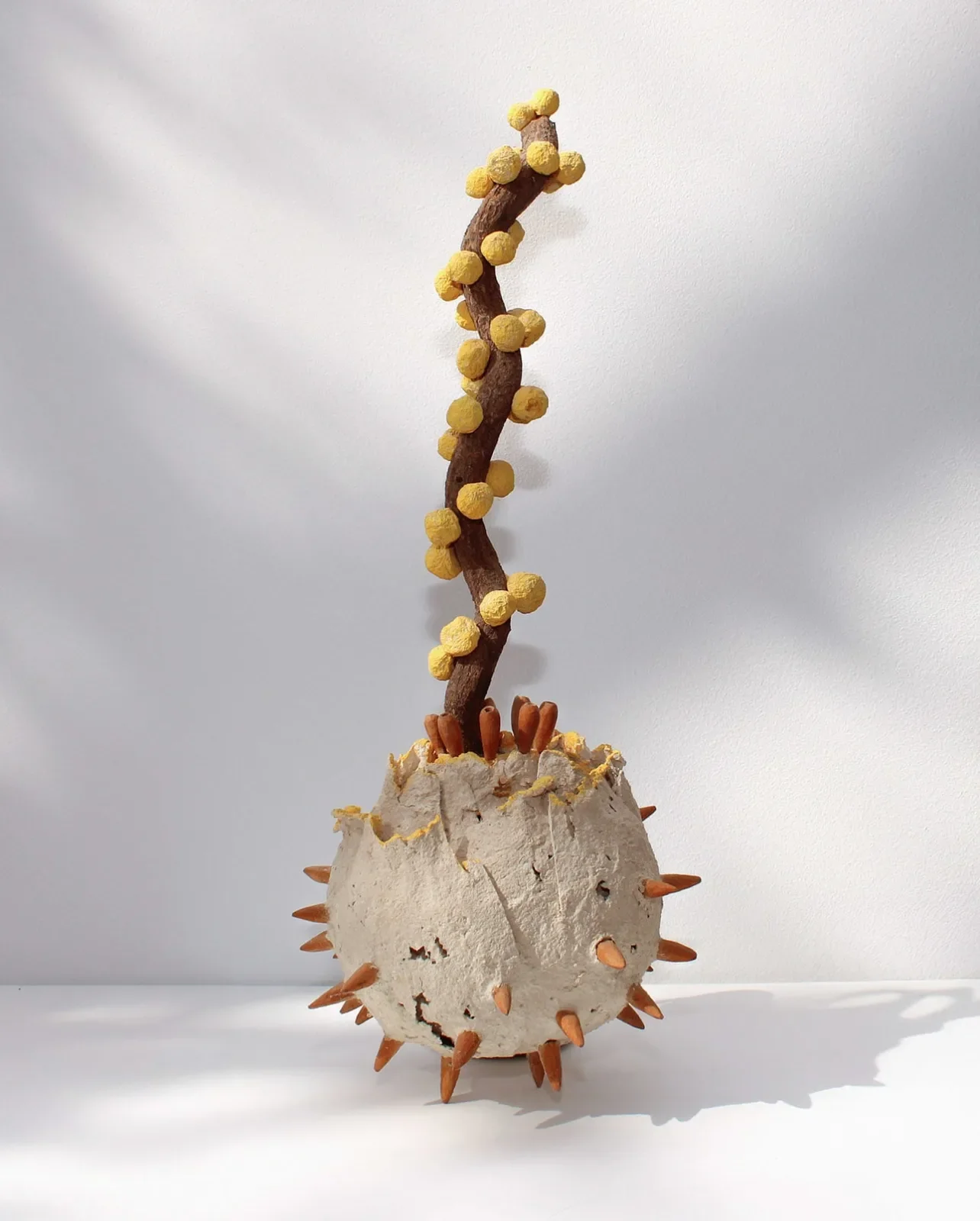
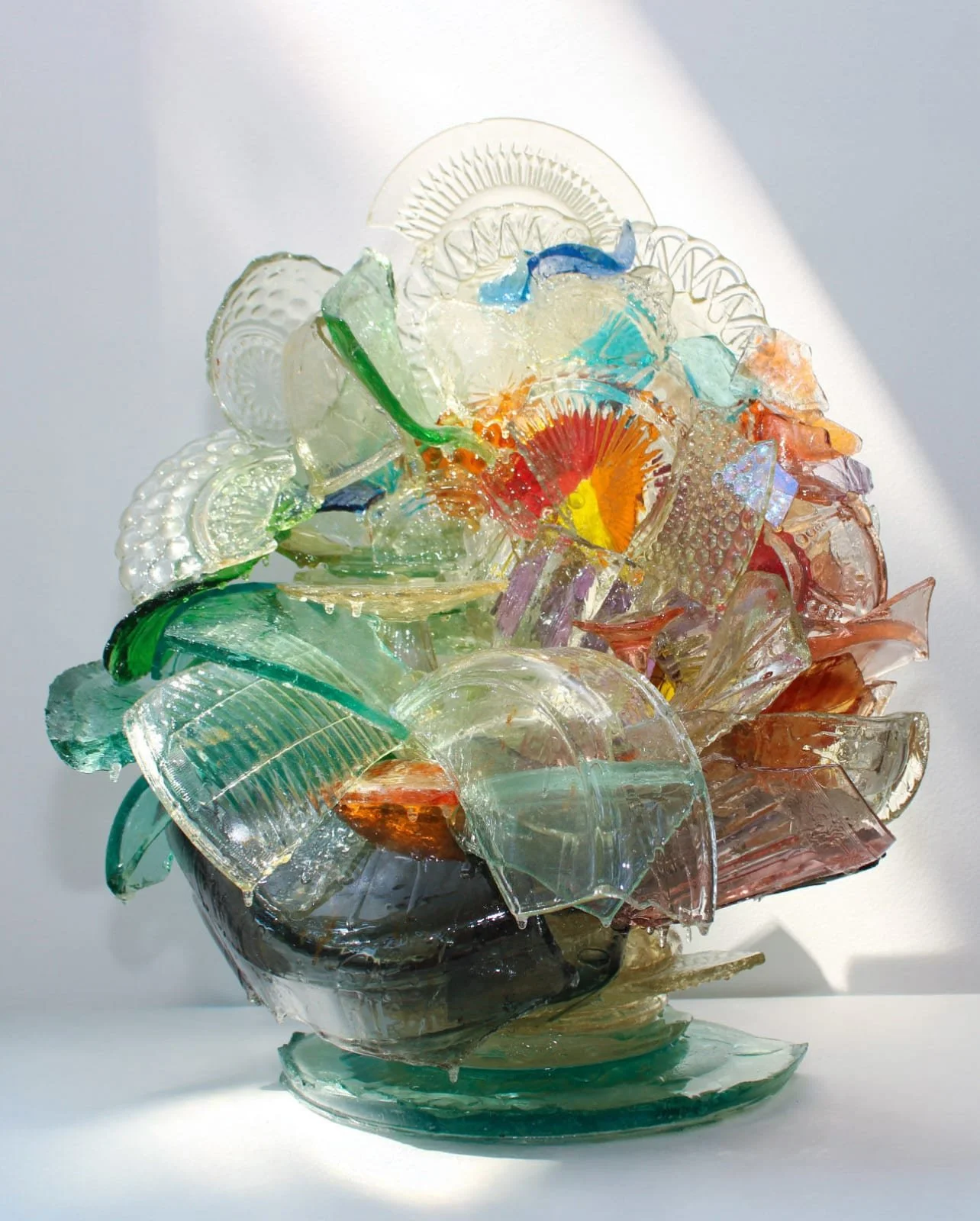
Sculpture is often the missing dimension in how we live with art, and sometimes the next one, as most art and collectors focus on the walls. Yet three-dimensional works such as sculptures, mobiles, or objects add motion and introduce balance, rhythm, and tension, deepening how a space is experienced.
Sculptures and their supporting pedestals become co-stars in this dynamic.
Pedestals give art their proper stage and often solve spatial challenges. As one of the most underused design tools, a pedestal brings structure and height to tight entryways, awkward corners, or large rooms that need more than furniture to feel finished. When proportioned correctly and crafted from aligned materials, a pedestal elevates the artwork and completes rather than competes with it.
Sightlines: Think of sculpture as something to discover. Position it where it catches the eye as you move through a space, inviting intrigue and attention without overwhelm.
Flow: Every sculpture needs breathing room. Leave space to move around it so it feels part of the rhythm, enhancing and guiding the flow and view rather than blocking it, extending the sense of multi-dimensionality within the space.
Placement: Three-dimensional objects and their pedestals bring value to virtually any room in the home, including unexpected places such as a bathroom, open areas around a staircase, or the dead end of a hallway, turning overlooked spots into moments of pause and intention.
Whether standing quietly in a corner, greeting you by the entry, or hovering weightlessly from above, thoughtfully curated three-dimensional art brings presence, curiosity, and a shift of perspective into your space and life.